How Hard Money Loans Work: The Mechanics

Henry Tabeling
Founder & Lead Underwriter ·
A hard money loan is a short-term, asset-backed loan secured by real estate and funded by private lenders rather than traditional banks. Built specifically for real estate investors, such as fix-and-flippers, BRRRR buyers, and landlords, approval relies primarily on the property's value or After-Repair Value (ARV) instead of personal credit scores. Standard terms typically feature a 6 to 18 month repayment window, interest rates of 10% to 18%, and funding caps of 65% to 75% Loan-to-Value (LTV), with capital deployed rapidly in 5 to 15 business days. We fund these loans for active real estate investors across Delaware, Florida, Georgia, Maryland, New Jersey, New York, North Carolina, Pennsylvania, South Carolina, Virginia, and Washington DC.
In our business, you hear the term "hard money" tossed around constantly. Some investors view it as a secret weapon to close deals in days; others are hesitant because of the higher cost.
Let's cut through the noise.
Unlike traditional bank loans, hard money is funded by private investors or specialized lending companies like HardMoneyHenry. While we are based in Towson, Maryland, we fund deals for active real estate investors across our entire East Coast and Southern footprint.
Because these loans are funded privately, we don't operate under the rigid, slow-moving rules of commercial retail banks. Instead, we focus on the asset itself to get you the capital you need when speed is the deciding factor in your deal.
How Hard Money Loans Work: The Mechanics
Traditional banks want to see years of tax returns, personal pay stubs, and a near-perfect credit score. Private lenders look at a deal differently. Here are the core mechanics of how a hard money loan works:
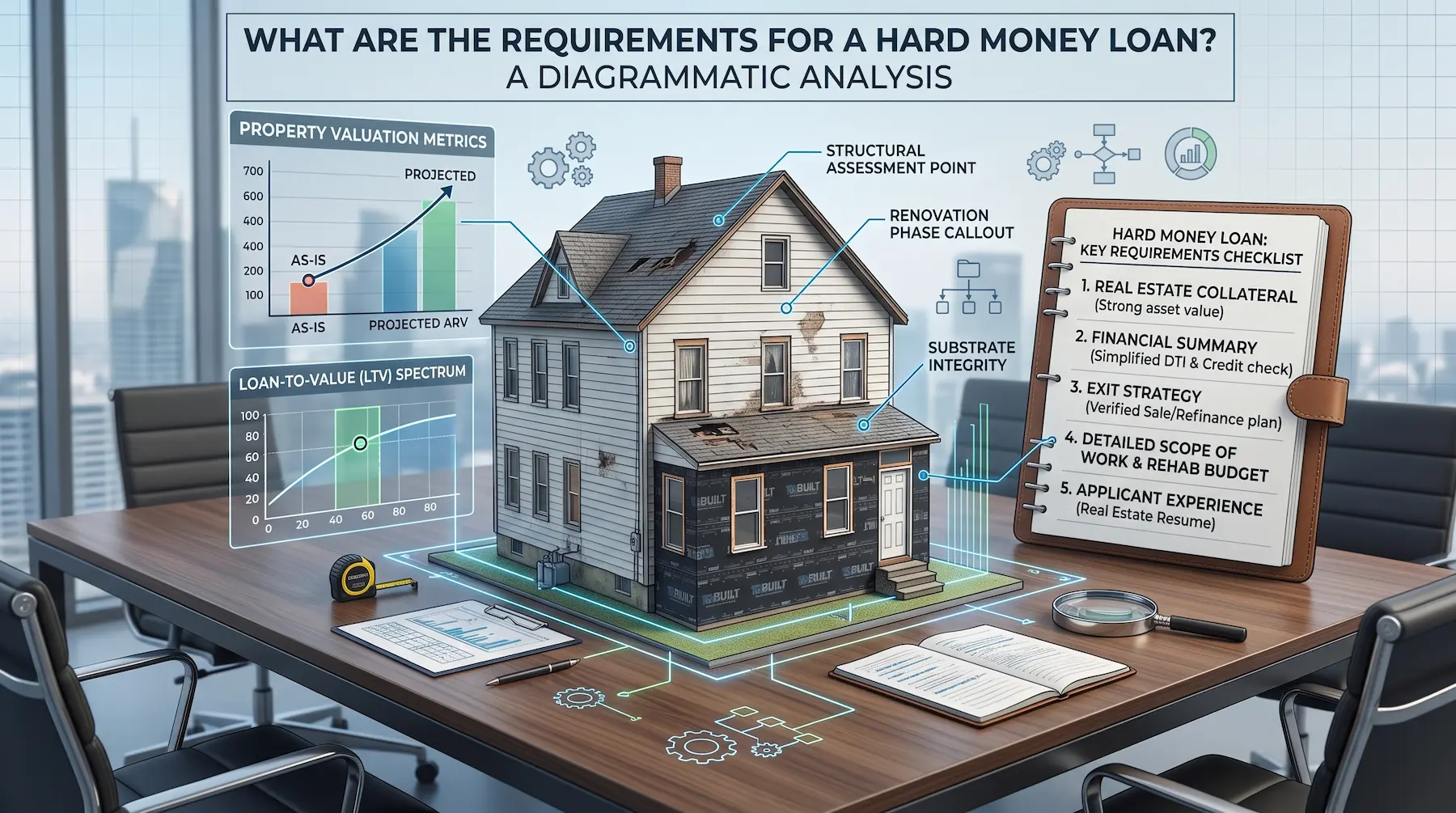
1. Collateral and ARV Focus
The primary security for the loan is the physical property itself. While traditional banks focus heavily on your personal income and credit history, hard money lenders prioritize the property’s value.
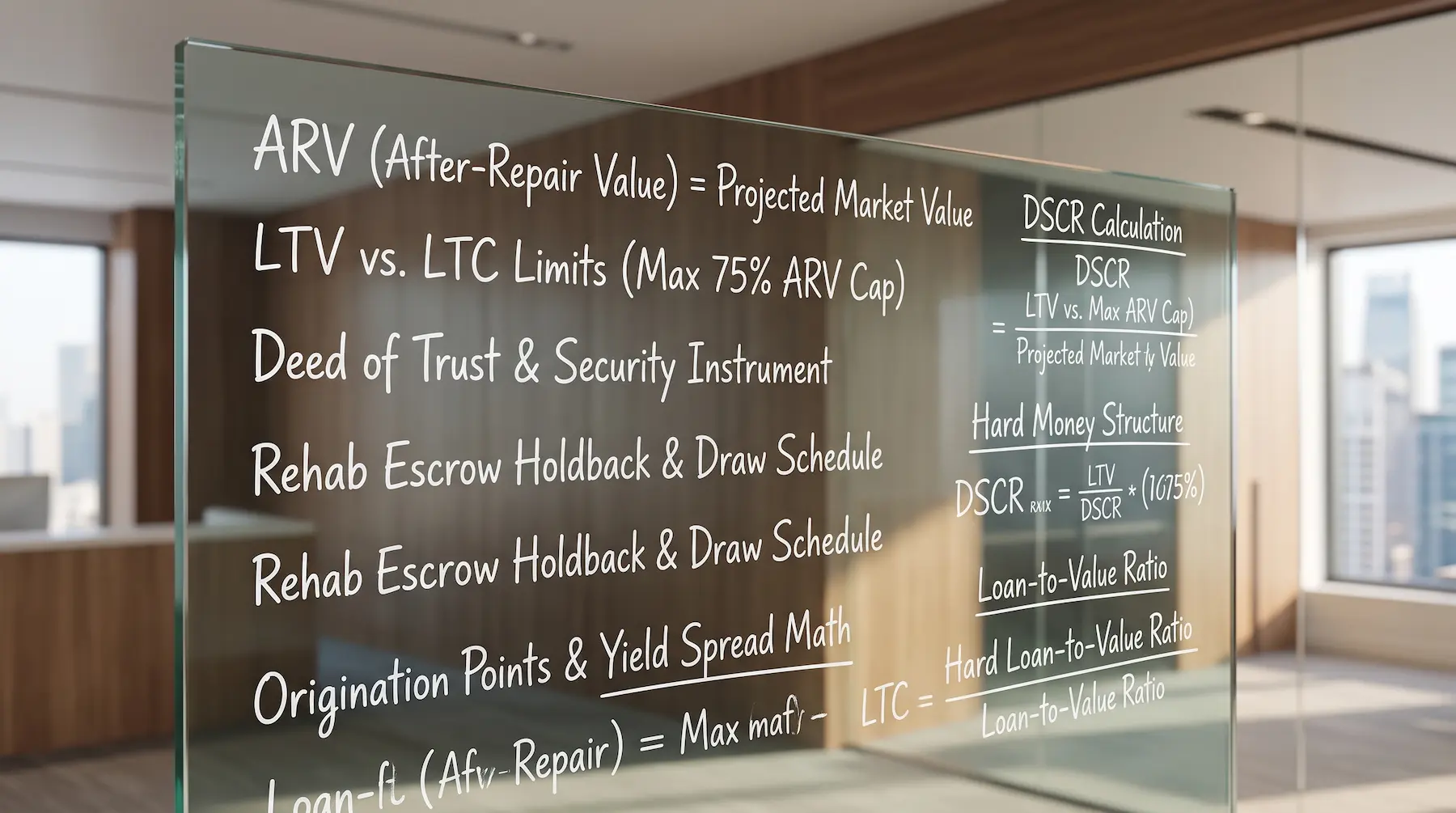
For rehab and value-add projects, we look closely at the After-Repair Value (ARV)—the projected market value of the property after all renovations are completed.
2. Loan-to-Value (LTV) Ratios
Because asset-backed loans carry different risks, lenders generally cap their funding at 65% to 75% of the property's value (LTV). This requires a substantial down payment or existing equity in the deal to close.
(Note: We can also structure loans based on Loan-to-Cost (LTC), depending on your deal's structure. Let me know if you need clarification on how we calculate these for your specific state's deals.)
3. Short Repayment Windows
These are not 30-year mortgages. Hard money loans are short-term bridge solutions designed to get you from acquisition to exit. Repayment windows typically range from 6 to 18 months. Your exit strategy is usually selling the property or refinancing into long-term debt.
4. Fast Approval and Funding
Standard bank underwriting can grind on for months. In real estate investing, delays kill deals. Hard money underwriting takes days, and cash can typically fund in 5 to 15 business days. If a seller requires a fast closing timeline, this speed is your biggest advantage.
5. Pricing and Cost Structures
Private capital has a higher cost of capital than bank deposits. Interest rates typically range from 10% to 18%, plus upfront origination points. You are paying a premium for speed, convenience, and leverage that banks simply cannot provide.
To understand how asset-backed financing guidelines are supervised nationally, you can review the regulatory frameworks outlined by the Federal Deposit Insurance Corporation (FDIC) or check local lending guidelines through the Maryland Commissioner of Financial Regulation.
Real-World Applications: When to Use Hard Money
Hard money is a specialized tool. You wouldn't use a sledgehammer to hang a picture frame, and you shouldn't use hard money for a stable, long-term rental property. Here is when it makes financial sense:
- Fix-and-Flip Projects: This is the classic hard money scenario. You purchase a distressed property, renovate it quickly, and sell it within a few months to pay off the loan. The higher interest rate is just a line-item expense in your rehab budget.
- BRRRR and Rental Bridges: If you're using the BRRRR method (Buy, Rehab, Rent, Refinance, Repeat), you can use hard money to secure and rehab the property. Once the property is stabilized and rented, you transition into a long-term DSCR (Debt Service Coverage Ratio) loan.
- Speed-Critical Deals: When a highly competitive property hits the market and the seller demands a quick cash close, hard money lets you compete with all-cash buyers by closing in days rather than months.
Understanding the Risks
Let's talk straight. Hard money loans carry real financial risks that you must plan for:
- The Default Risk: Because these loans are tied to a hard physical asset, defaulting means the lender can seize the property to recover their capital.
- Execution Risk: If your rehab project runs over schedule or your contractor walks off the job, those 6-to-18-month terms can shrink fast. Having a realistic timeline is critical.
For a broader perspective on managing credit and understanding debt obligations safely, the Consumer Financial Protection Bureau (CFPB) offers free educational resources on property-secured loans.
Hard Money vs. Traditional Bank Loans
| Feature | Hard Money Loan | Traditional Bank Loan |
|---|---|---|
| Primary Underwriting Focus | Property Value / ARV | Borrower Credit & Income |
| Funding Timeline | 5 to 15 business days | 45 to 90 days |
| Typical Repayment Term | 6 to 18 months | 15 to 30 years |
| Interest Rates | 10% to 18% (Typical) | Lower Market Rates |
| Down Payment Requirement | 25% to 35% (65%-75% LTV) | 5% to 20% |
Ready to Deep Dive?
If you are currently mapping out a deal and want a complete breakdown of every phase of this process, check out our Complete Guide to Hard Money Loans. It’s a comprehensive resource we put together to cover everything from initial project planning to executing your ultimate exit strategy, helping you protect your margins and scale your portfolio.
Got A Deal That Needs Funding?
Send us the address and your numbers. Get terms same-day and close in as little as 24 hours.